Garden Curator's Notes 2026
As published in The Fringed Gentian™.
by Susan Wilkins
Susan Wilkins is Curator of the Eloise Butler Wildflower Garden. Her articles and the photos of the Garden are presented courtesy of the Minneapolis Park & Recreation Board.
Spring 2026
Volume 74, No. 1
The Garden is enjoyed by all
With photos from The Friends archive of those who have enjoyed the Garden over the years.
Through many rich seasons that have blossomed, borne fruit, and then senesced and decayed—becoming nourishment for the next year’s rebirth—I have had the opportunity to witness the enduring magic of this one and only garden. There is truly nothing that fully captures the beauty that unfolds here. It is profound to see how people are moved and opened to richer, more vibrant versions of themselves as they participate in the dance of nature here. The Garden brings out very good things in people, and it relies on very good people to carry it forward.
As we enter this new season, my heart is filled with gratitude for the many individuals who share their time, knowledge, wisdom, care, physical energy, and love for our wonderful Wild Botanic Garden—first envisioned nearly 120 years ago by Eloise Butler and a cohort of female botany teachers.
What is truly needed to honor this legacy is a volume crediting everyone who has loved and contributed to the Garden’s well-being over the years—from momentary acts to monumental ones. It would be an incredible story to read. In these few paragraphs, I simply wish to acknowledge the remarkable people who continue to support the Garden today, because its health and vitality are neither accidental nor assured. The Garden thrives because of people—staff, volunteers, the Friends of the Wildflower Garden, community members, and Park Board leadership—who care deeply about this place and the gifts it offers.
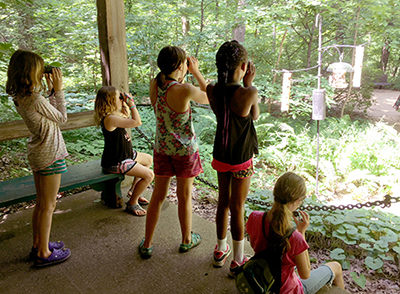
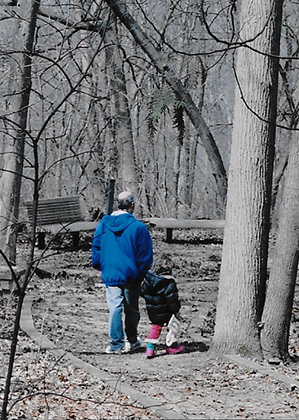
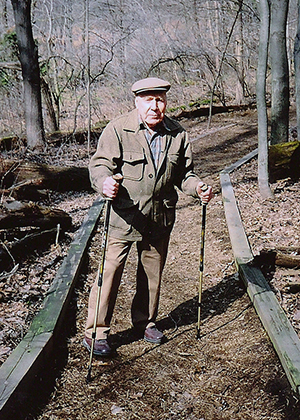
Visitors to the Wildflower Garden over many past years include the very young (top photo) young and old, and the very old.
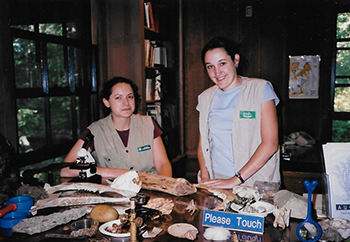
Over the years, many staff members have worked here, most often as seasonal employees, dedicating themselves to its care. Some stay for a season, others for several years, and all contribute meaningfully to the life of the Garden. They educate the public, support visitors and volunteers, and care for the landscape itself. From leading programs to planting the native flora visitors admire each day, these individuals carry out essential work that sustains the Garden. Their thoughtfulness and skill uphold the spirit and ethos of this special place.
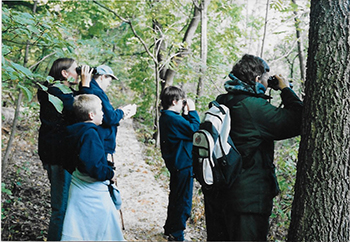
Equally vital are the Garden’s beloved volunteers. Docent Volunteers, Greater Eloise Stewards, and Legacy Volunteers bring an incredible level of continuity, connection and devotion to the Garden and Garden community. Through their work, they help cultivate awareness, stewardship, and joy among visitors in myriad ways. Each person who volunteers shares a part of themselves here, and together their efforts weave a fabric of care that people feel when they visit. Their presence helps bring the Garden to life and we are all the richer for it.
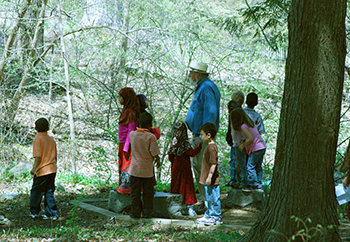
Since 1952, the nonprofit Friends of the Wildflower Garden has supported the Garden with integrity, intention, and steadfast commitment. Over the decades, the Friends have contributed in countless ways, helping strengthen the Garden’s resources and ensuring its continued vitality. Their long list of contributions reflects a deep and enduring bond to this beloved public garden. Truer friends could not be found.
Through the Friends, generous community members have also provided financial support that has made a meaningful difference in the Garden. Many features that visitors enjoy today were made possible through individual donations. More recently, thoughtful gifts have helped support naturalist staff salaries, allowing important educational programming to continue through the winter months. These contributions strengthen the Garden’s ability to serve visitors and deepen its role as a place of learning, reflection, and connection with the natural world.
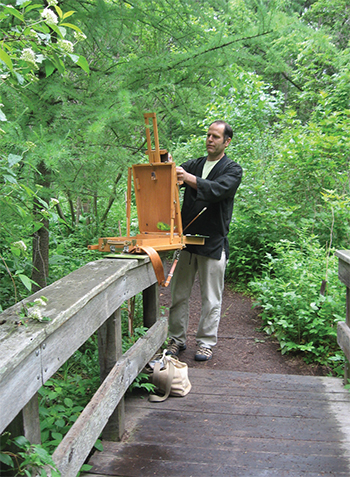
The Garden’s wider community—visitors, Florilegium artists, researchers, students, and program participants—also adds immeasurably to its spirit. Everyone who walks through the gates, studies the landscape, creates art inspired by it, or carries memories of it with them helps sustain the Garden’s living legacy.
The Minneapolis Park and Recreation Board has owned and operated the Garden since its founding in 1907. Through many decades of change, the Garden has remained a treasured asset. Today we find ourselves at a moment with growing recognition of the importance of this unique public botanic garden and all that it brings to the community. With thoughtful stewardship and support for this blossoming, its future holds tremendous promise.
The collective love and care for the Eloise Butler Wildflower Garden and Bird Sanctuary has grown season after season for nearly 120 years.
Thank you, Eloise, for giving us this place where we can grow wiser, more attentive, and more connected to the natural world. Your vision continues to flourish in this wild garden you began with such love and wonder.
See you on the trails! ❖ Susan
Summer 2026
Volume 74, No. 2
Wildflower Garden is home to dozens of rare MN-naative plant species
At the heart of the Eloise Butler Wildflower Garden’s mission is the deliberate and attentive stewardship of Minnesota’s native plant species. Every day, Garden staff work to plant, monitor, manage, and protect rare native species, ensuring these important plants continue to thrive for generations to come.
Today, the Garden is home to more than 640 native plant species. While some have grown here naturally, most were thoughtfully introduced over the past 119 years to create one of the region’s most significant collections of Minnesota native plants. Maintaining this living collection is an ongoing effort, with staff continuously caring for and expanding the abundance of plants and the diversity of plant species found throughout the Garden.
Among these native plants are 23 species listed by the Minnesota Department of Natural Resources as endangered, threatened, or of special concern. Remarkably, 21 of those species were introduced by Garden staff as part of dedicated conservation efforts. The collection also includes numerous rare and difficult-to-find plants that are not listed, including four native orchid species.
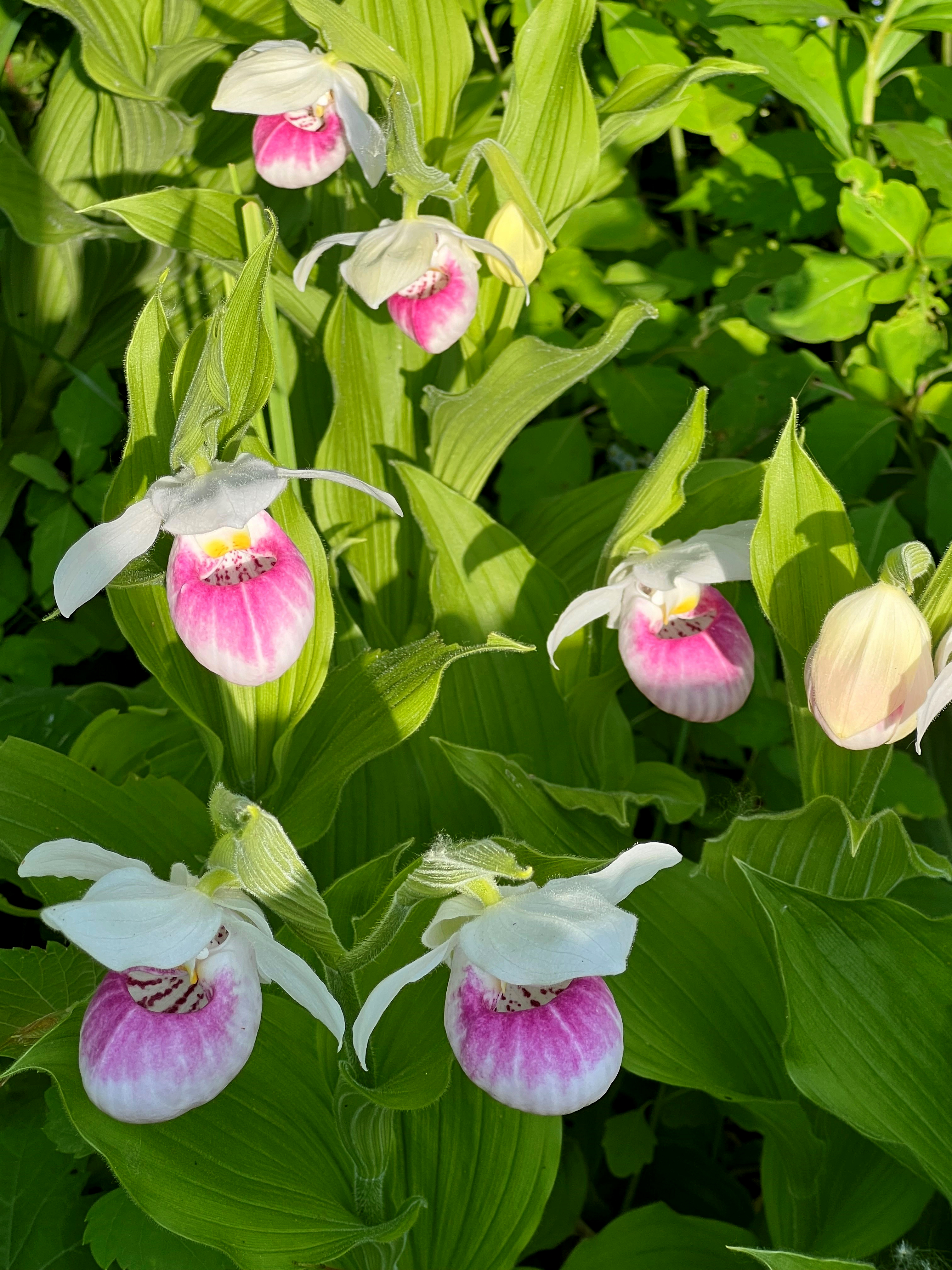
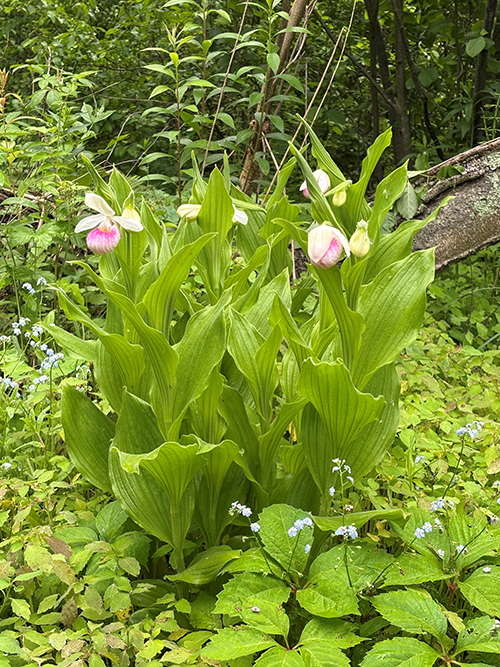
One of the Garden’s most beloved plants is the showy lady’s slipper, Minnesota’s state flower. These striking native orchids bloom each June, drawing visitors from across the Twin Cities and beyond. Although showy lady’s slippers originally grew in the Garden, the plants visitors see today have been added over time to help maintain a healthy and sustainable population.
The Garden is one of only two public locations in the Twin Cities where visitors can reliably view showy lady’s slippers in bloom. The other is the Minnesota Landscape Arboretum in Chaska.
Over the past two decades, I have had opportunities to lead efforts to rescue and relocate showy lady’s slipper plants in partnership with the Minnesota Department of Transportation and numerous conservation organizations and individuals.
In recent years, the Minnesota Landscape Arboretum’s Plant Conservation Program has also contributed dozens of showy lady’s slippers through its Minnesota native orchid propagation program. A separate native orchid donation was also received last year. All of these recent additions have been carefully accessioned, planted, and monitored by the Garden’s seasonal Natural Resources Specialist Nicholas Purcell. Please read the wonderful article written by Nicholas in this Fringed Gentian™ edition to learn more about this work.
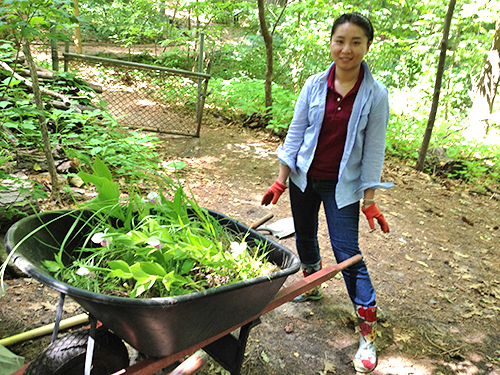
These partnerships play an important role in preserving Minnesota’s botanical richness and ensuring the long-term survival of this iconic species. We are deeply grateful to our conservation partners for their ongoing support and collaboration.
If you have never experienced showy lady’s slippers in bloom or if you have visited every year for decades, plan a visit to the Garden in mid-June to see them this year. The flowers can be found along the boardwalk trail known as Lady Slipper Lane, where their vibrant pink and white blossoms create one of the Garden’s most anticipated seasonal displays.
As Eloise Butler wrote with adoration: “The showy lady slipper. . . is the crowning glory of the Preserve. It is endemic and has increased from year to year, so that there are now hundreds in large clumps making vistas of beauty through a marsh containing a few scattered tamaracks. Frequently a stalk bears two flowers and often three. . .Visitors are so enraptured with the display in my garden that they feel like falling on their knees to worship them. This Cypripedium is. . .considered by many the most beautiful flower in the world.”
Follow @ebwgmpls on Facebook and Instagram for updates on bloom timing and other Garden news.❖ Susan
Fall 2026
Volume 74, No. 3